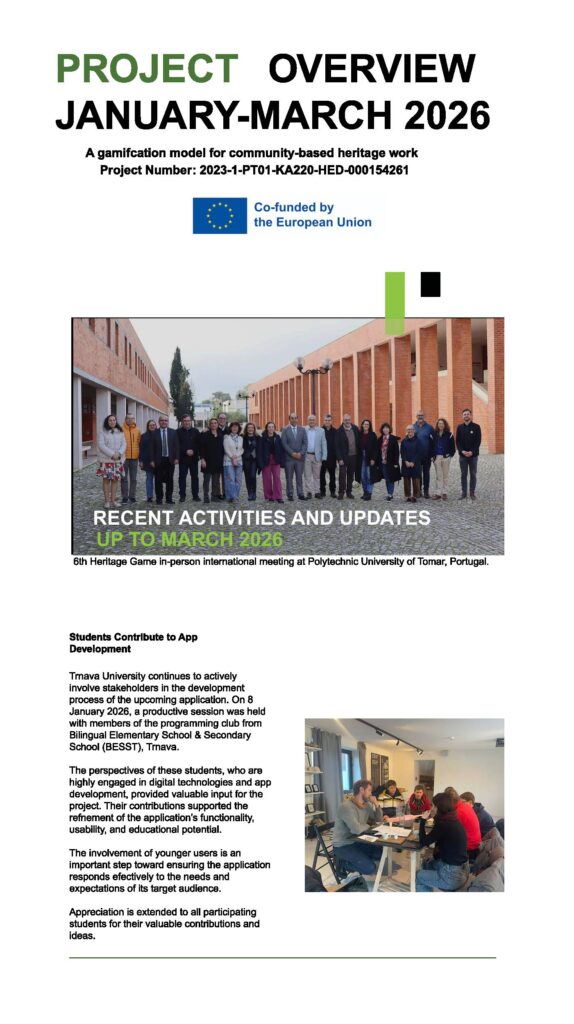
Newsletter - Newsletter – Project Overview – Jan/Mar 26
HERITAGE GAME email newsletter is now available, providing a summary of the project's recent achievements, key findings, and future plans.
read more
Scientific output of the Heritage Game project — peer-reviewed articles, book chapters, conference papers and methodological documents produced by the consortium and its partners.
HERITAGE GAME email newsletter is now available, providing a summary of the project's recent achievements, key findings, and future plans.
read more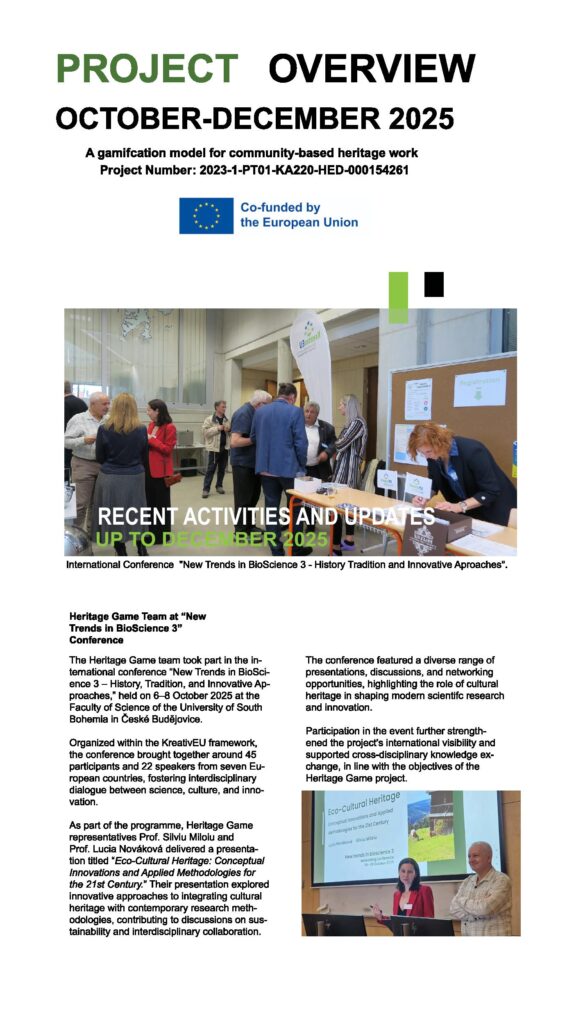
HERITAGE GAME email newsletter is now available, providing a summary of the project's recent achievements, key findings, and future plans.
read more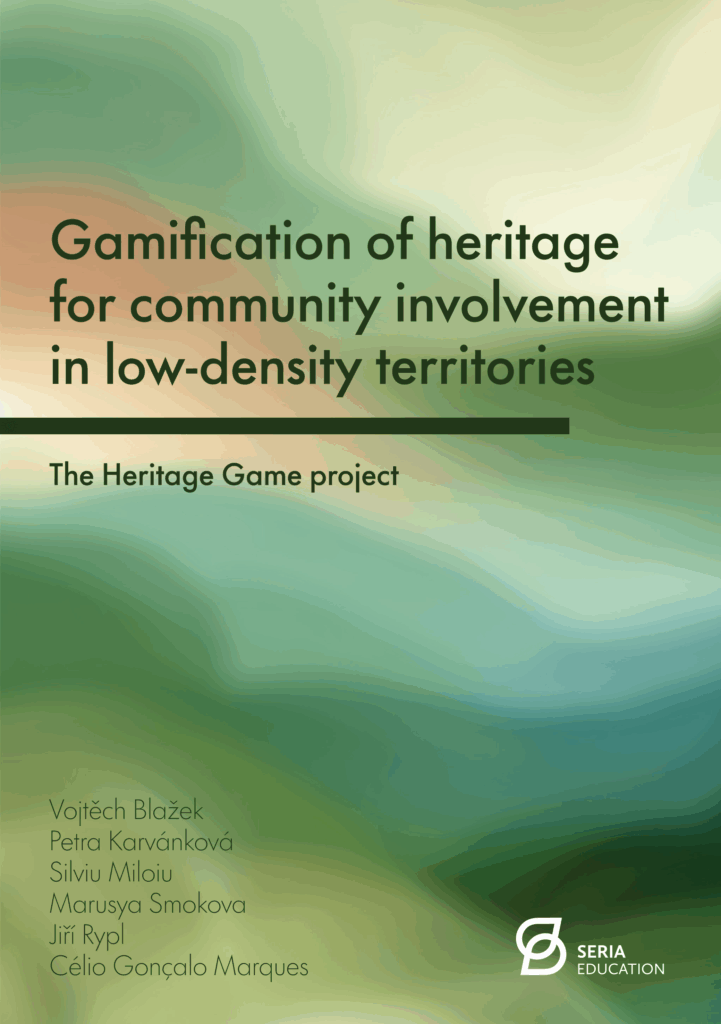
We are thrilled to announce the release of our comprehensive manual, “Gamification of heritage for community involvement in low-density territories,” a major intellectual output of the Heritage Game project. This publication brings together the expertise of our international partners to create a foundational guide on applying gamification to cultural heritage. This scholarly publication is intended for educators, game designers, community organisers, and heritage professionals who wish to explore and apply gamification strategies in the context of cultural heritage. It provides a structured and comprehensive approach, guiding readers through theoretical insights, practical methodologies, and adaptable tools to develop games that enrich cultural engagement and strengthen community bonds. Publication Details: Citation (APA 7th Edition):Blažek, V., Karvánková, P., Miloiu, S., Smokova, M., Rypl, J., & Marques, C. G. (2025). Gamification of heritage for community involvement in low-density territories. University of South Bohemia. https://www.heritagegame.eu/manual-gamification-of-heritage-community-involvement/
read more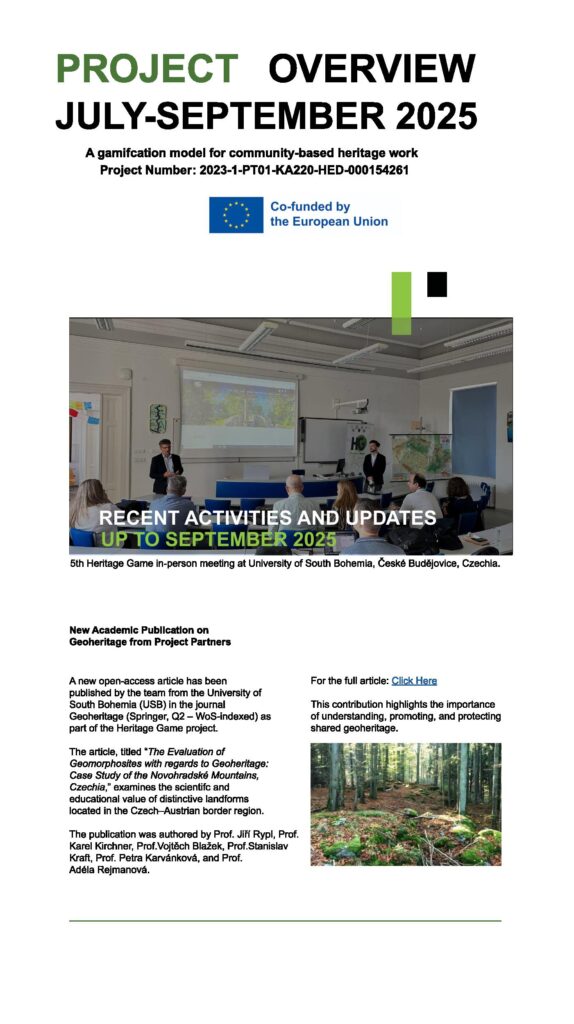
HERITAGE GAME email newsletter is now available, providing a summary of the project's recent achievements, key findings, and future plans.
read more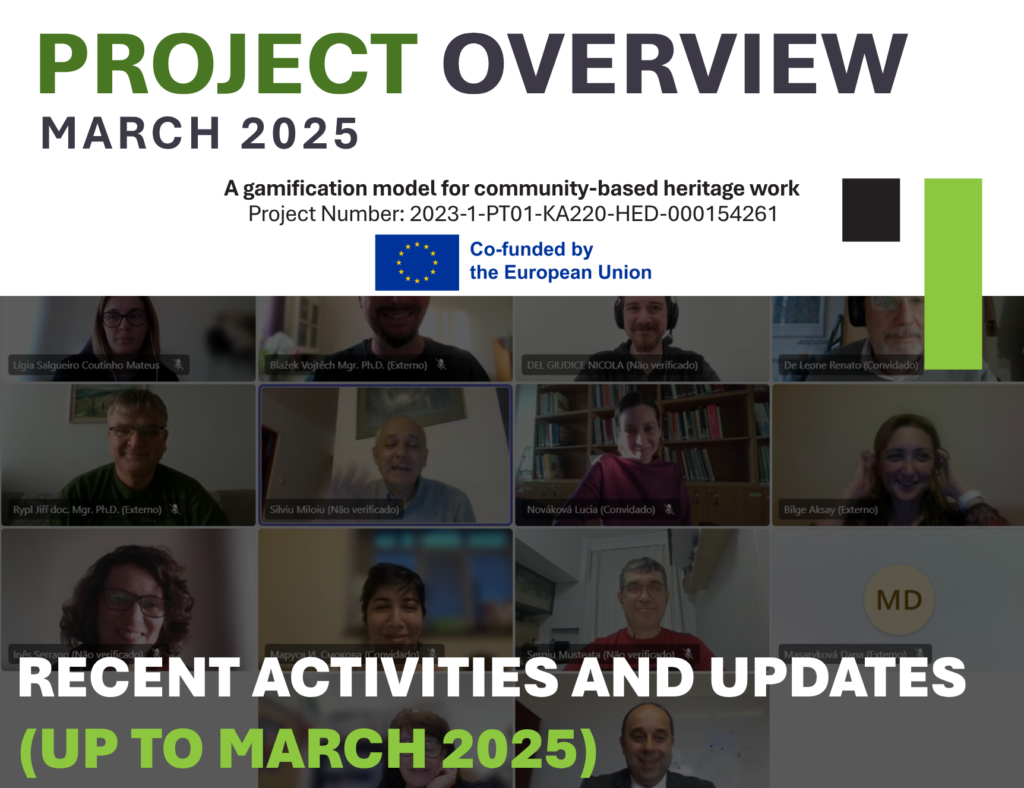
HERITAGE GAME email newsletter is now available, providing a summary of the project's recent achievements, key findings, and future plans.
read more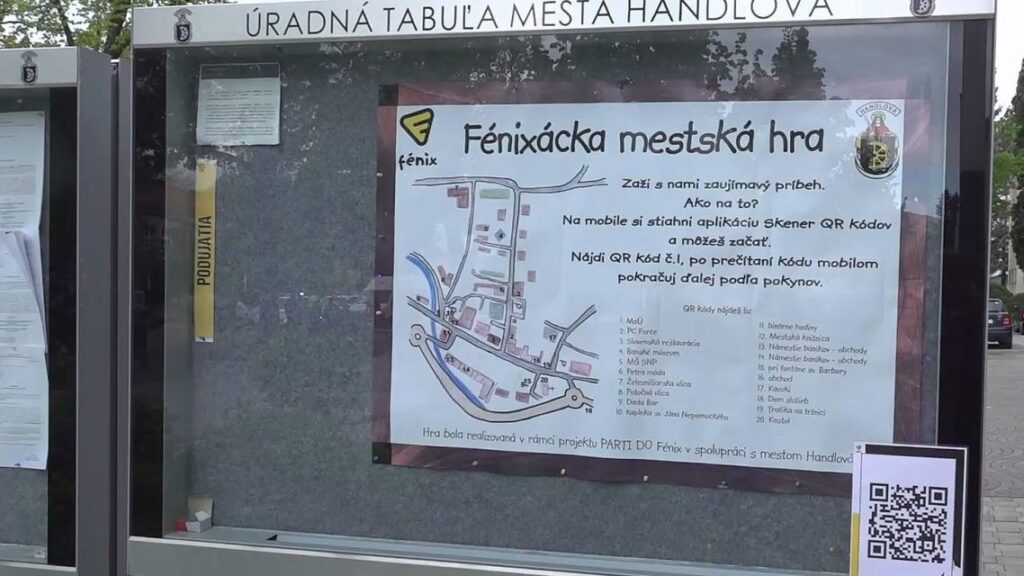
A recent study by Zuzana Danišková & Lucia Nováková explores the application of gamification techniques for preserving cultural heritage and engaging communities in Slovakia. The research delves into how various Slovak cities are leveraging game-based strategies to protect and promote their historical and traditional assets. The work highlights specific examples of these innovative approaches: These methods exemplify the concept of ‘edutainment,’ effectively blending education with entertainment. This approach not only makes learning about heritage more engaging but also fosters stronger community involvement in its preservation. This research contributes to the Erasmus+ Project (No. 2023-1-PT01-KA220-HED-000154261), titled “A gamification model for community-based heritage work”. For more detailed information and insights from the study, please refer to the full publication available at the following link:
read more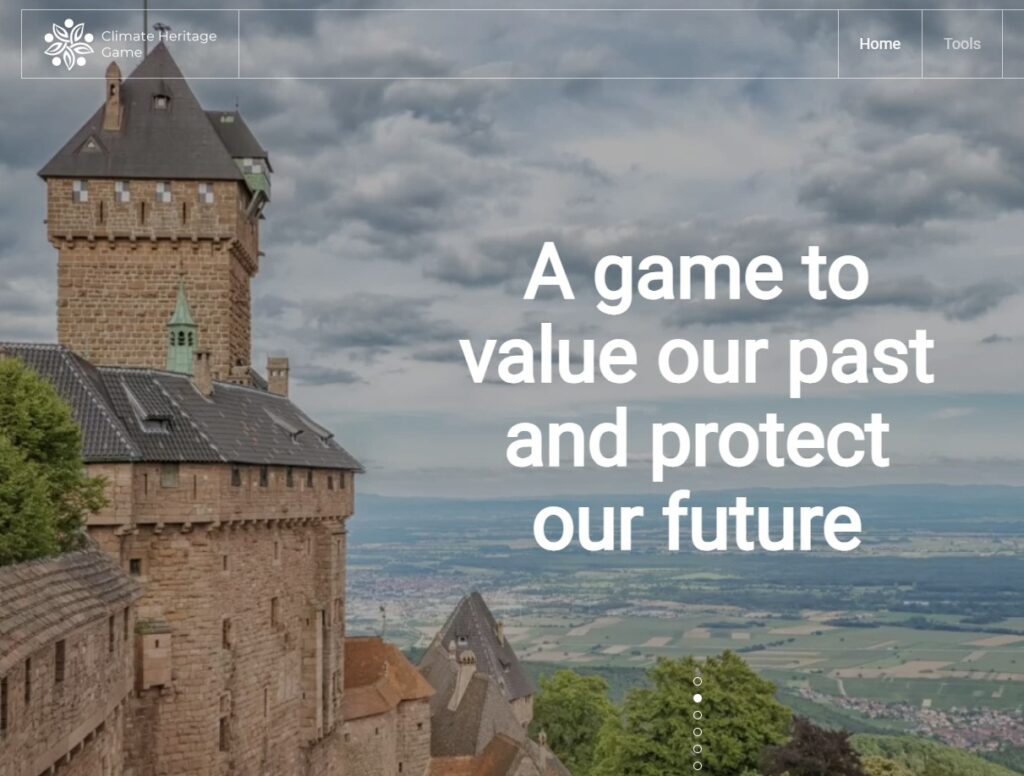
Digital technologies are increasingly offering innovative pathways for the preservation and promotion of our shared cultural heritage. Among these, gamification stands out as a particularly potent tool, transforming how communities engage with history and culture. Research conducted by Silviu Miloiu and Sergiu Musteață highlights the significant potential of using game mechanics to foster interest in cultural heritage. Their findings suggest that gamification serves as a powerful instrument for promoting historical sites and narratives effectively. This potential is vividly illustrated through practical applications. Initiatives such as the Questo Game and the Climate Heritage Game employ gamification principles to make the exploration of heritage sites not just informative, but genuinely engaging and accessible. By turning learning into an interactive experience, these platforms successfully draw in the community, making heritage more approachable for everyone. These examples demonstrate how integrating game elements can create deeper connections to our past. For those interested in exploring the research by Silviu Miloiu and Sergiu Musteață further, their detailed findings can be found in the linked article:
read more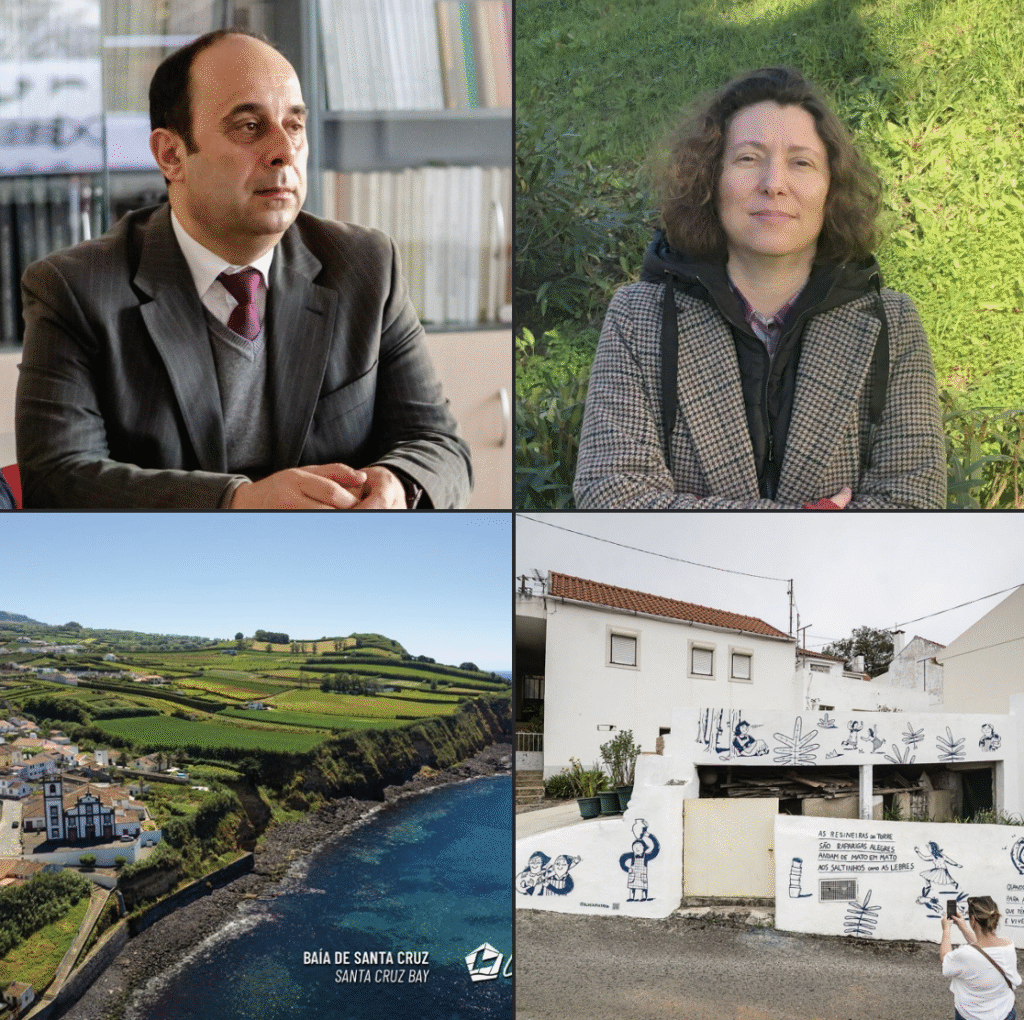
Gamification presents innovative ways to connect communities with their cultural heritage, turning preservation into an interactive and engaging experience. A study conducted by the Portuguese team delves into this dynamic approach, examining how gamification techniques are successfully employed in two distinct local contexts: Aldeia Pintada and Lagoa Geotour. The research, titled “Engaging Communities Through Gamification: Case Studies in Cultural Heritage Preservation – Aldeia Pintada and Lagoa Geotour in Portugal”, provides valuable insights into these community-based initiatives. It highlights Aldeia Pintada, located in Torre village, where vibrant murals and interactive storytelling methods are used to bring local history and narratives to life. Furthermore, the study explores Lagoa Geotour in the Azores Islands, an initiative that leverages a geocaching game to guide visitors through the area’s rich cultural and geological heritage in an adventurous format. Authored by Célio Gonçalo Marques, Inês Domingues Serrano, Lígia Salgueiro Mateus, João Pedro Tomáz Simões, and Hélder da Corte Pestana, the paper offers an in-depth analysis of how these gamified projects foster community involvement and contribute to the sustainable preservation of cultural assets in Portugal. Explore the full study for a comprehensive understanding of these impactful case studies:
read more
Is cultural heritage destined to remain confined within the pages of books? Increasingly, the answer is no. Thanks to the innovative application of digital games, augmented reality (AR), and gamified experiences, museums and cultural sites are transforming into interactive landscapes, offering dynamic ways to connect with history. The potential of gamification in the realm of cultural heritage preservation, particularly within the Italian context, is explored in a noteworthy paper titled “Engaging with the Past: Digital Games and Italy’s Heritage Preservation.” Authored by Lucia Nováková, Bilge Aksay, and Renato De Leone, the study examines how these technologies are breathing new life into historical narratives and artifacts. One compelling example showcased is the mobile game “Father and Son 2.” Developed through a collaboration with the prestigious National Archaeological Museum of Naples, this game transcends traditional museum visits. It invites players on an immersive journey through time, effectively turning the exploration of history into a compelling digital adventure and demonstrating a powerful synergy between cultural institutions and game development. Such initiatives highlight how technology is fundamentally changing our interaction with cultural heritage, making it more accessible, engaging, and memorable for contemporary audiences. These digital tools offer promising pathways for preservation and education, ensuring that the stories of the past continue to resonate in the digital age. For a more detailed exploration, the full paper provides further insights into this exciting field.
read more
Gamification continues to demonstrate its significant potential beyond entertainment, increasingly making strides in the vital sectors of cultural heritage, tourism, and education. The use of game mechanics and interactive design offers innovative ways to connect audiences with history and cultural sites more profoundly. Highlighting this trend, recent research by Marusya Smokova, Margarita Bogdanova, Evelina Parashkevova, Mariela Stoyanova, Elitsa Krasteva, and Lyubomira Todorova explores the impact of gamification within the Bulgarian context. Their work emphasizes how integrating interactive tasks and game-like elements can revolutionize visitor engagement. By transforming the learning process into an immersive and enjoyable experience, gamification serves as a powerful tool to enhance both tourism appeal and educational outcomes related to cultural heritage. This approach not only makes historical narratives more accessible and memorable but also fosters a deeper appreciation for the cultural significance of heritage sites. The insights from this research offer valuable perspectives for professionals and institutions working in heritage presentation, education, and tourism development. Discover more about how gamification is reshaping engagement with history in Bulgaria by exploring their findings:
read more
A new-generation approach to protecting our historical and cultural heritage: Gamification! In recent years, with the advancement of digital technologies, gamification has played a significant role in preserving cultural heritage and making it more accessible through tourism. A study conducted in Czechia explores how gamification techniques such as augmented reality (AR), digital storytelling, and mobile applications can help revitalize abandoned villages in the Sudetenland region, which suffered massive depopulation after World War II. These interactive experiences allow visitors to engage with history in an immersive way. This research, conducted by Petra Karvánková, Vojtěch Blažek, Renata Klufová, and Jiří Rypl, highlights the crucial role of gamification in cultural heritage conservation, regional development, and tourism. For more details, check out the full article:
read more
The conceptual framework for the gamification manual aimed at promoting the heritage of low-density areas in Europe is built upon five foundational pillars: Educational Engagement, Community Involvement, Technological Integration, Sustainability, and Cultural Sensitivity and Inclusivity.
read more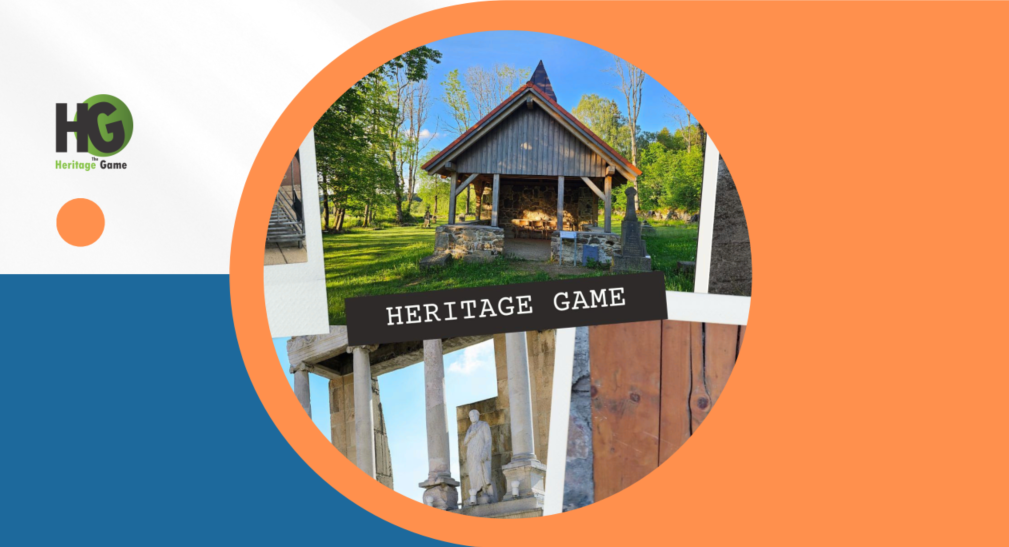
Synthesis study regarding the best practices analysed in the work package across all 7 countries.
read more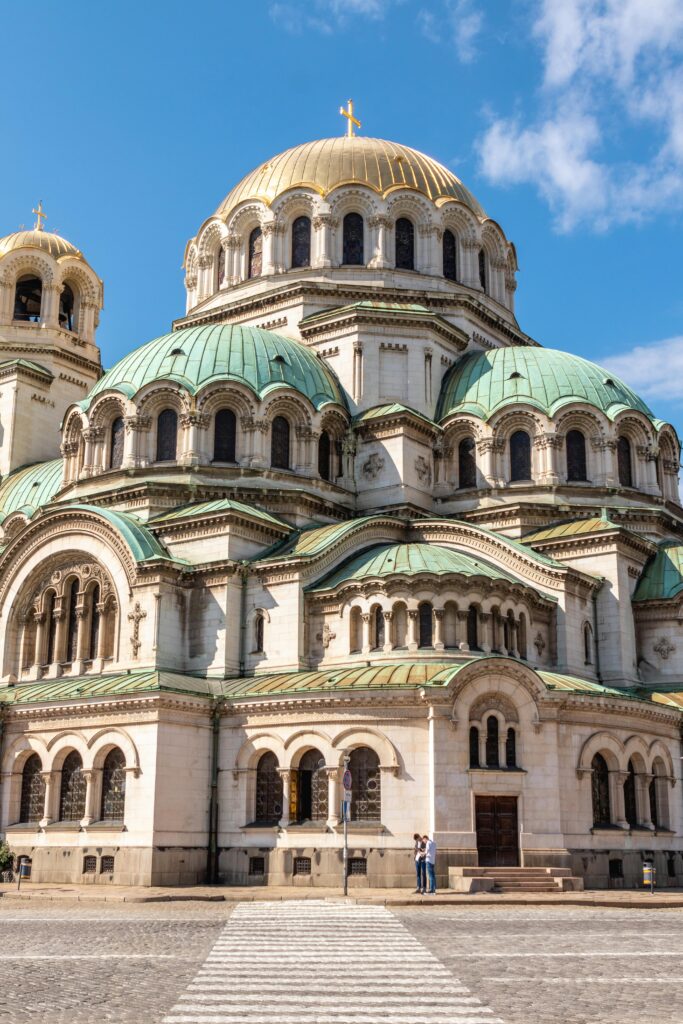
Paper published in Dialog journal on best practices in gamification applied to Bulgarian cultural heritage.
read more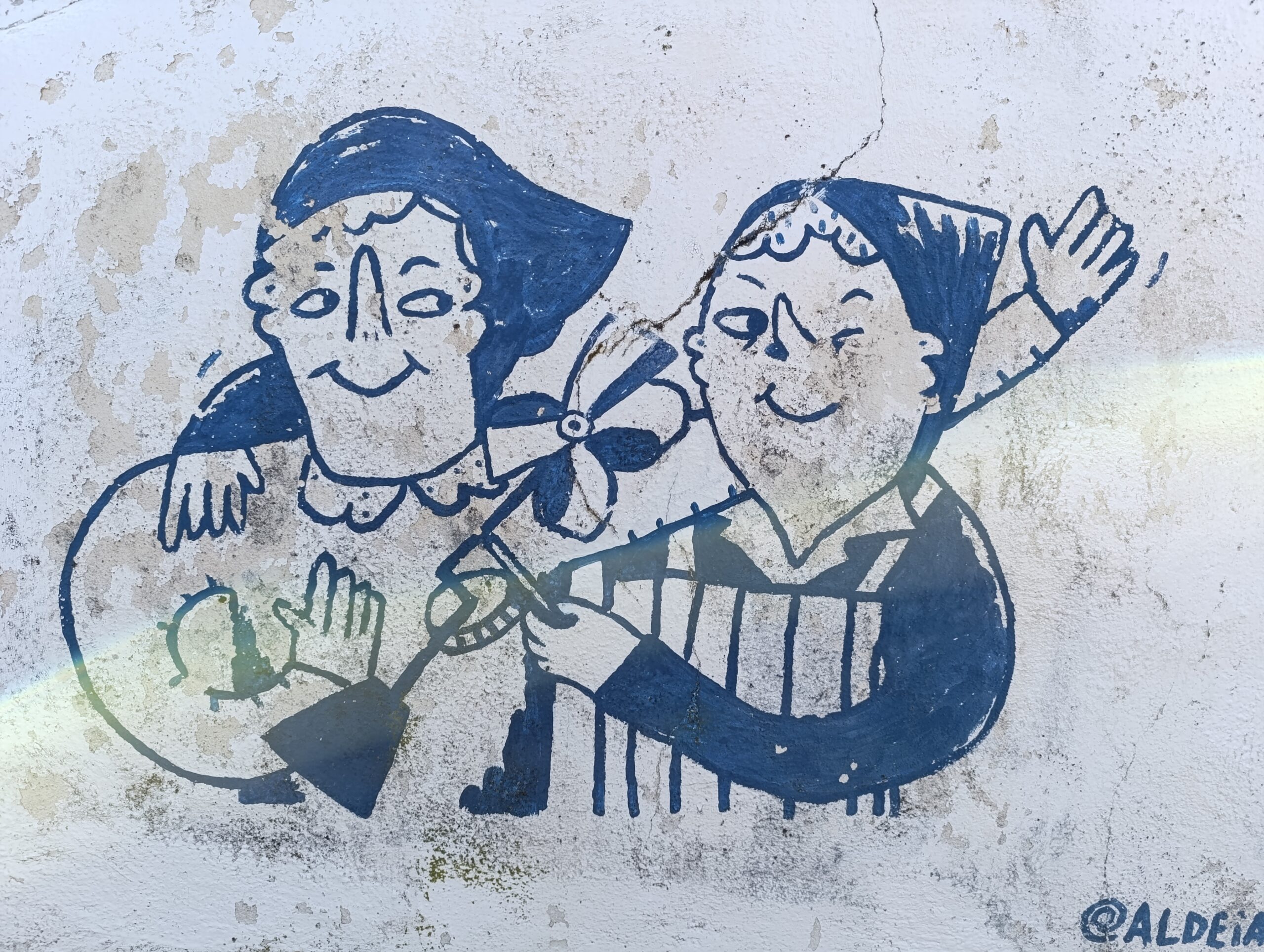
Excel file created to assess the projects identified as ‘best practice’ in each of the project countries.
read more
Sets of criteria for the identification and selection of case studies and their analysis, based on indicators relevant to their gamification techniques and tools, their heritage intervention approaches and outcomes, their community engagement strategies, among others.
read more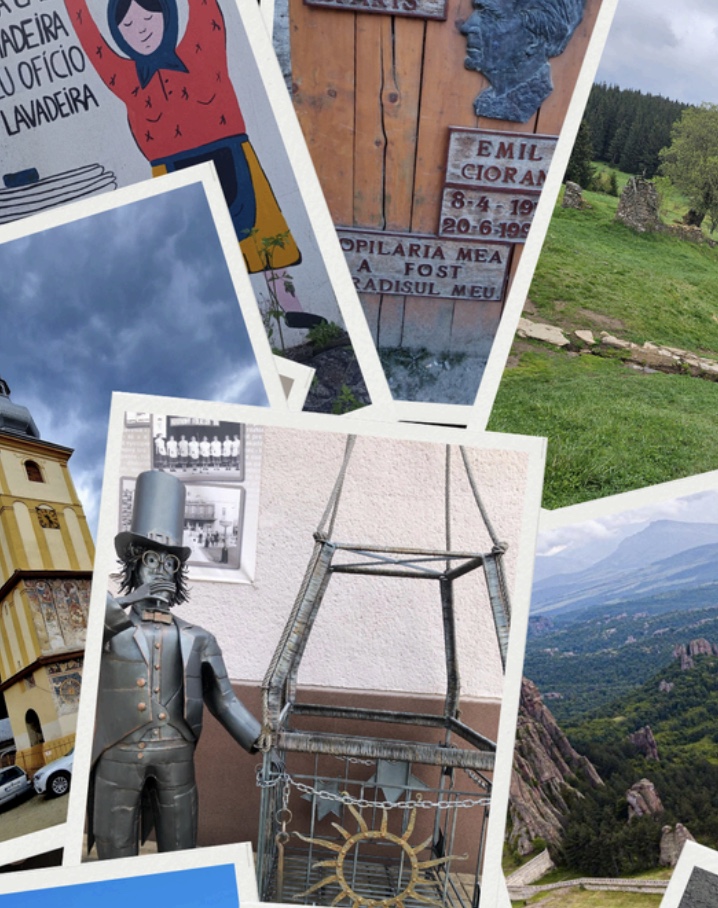
A guide to identifying the best practices for gamification in cultural heritage developed by the HERITAGE GAME Project Team
read more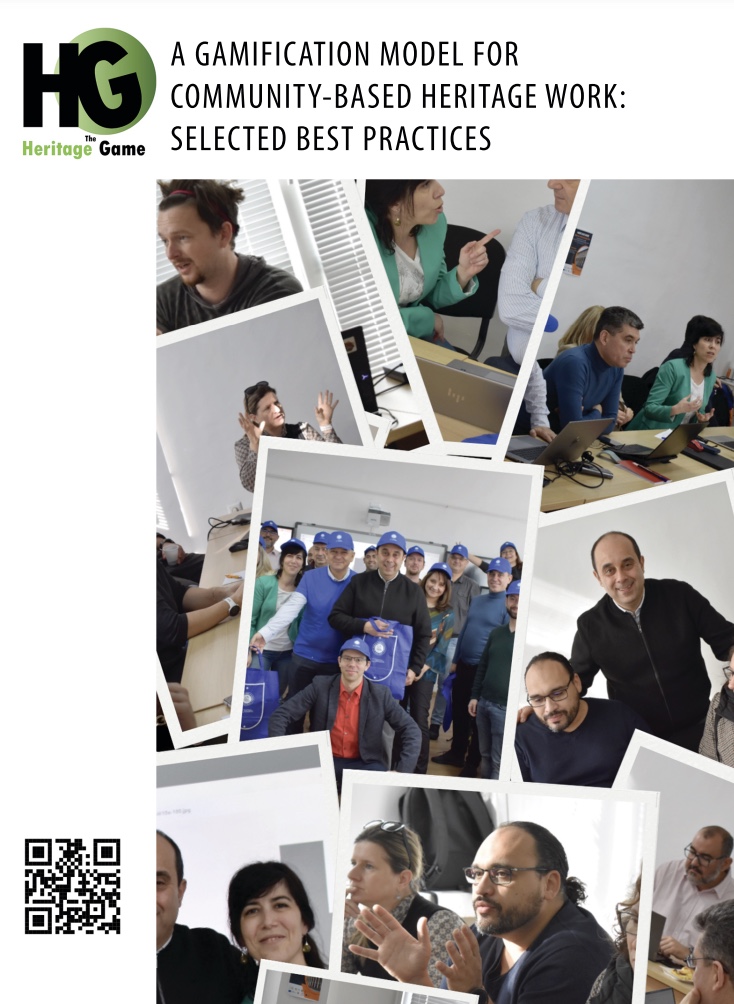
Brochure of the synthesis study regarding the best practices analysed in the work package across all 7 countries.
read moreA social-science framework that proposes heuristic criteria for evaluating gamified cultural-heritage experiences, distinguishing structural mechanics from psycho-social qualities.
read moreFounding paper that introduces the Heritage Game Erasmus+ project, its rationale and its action-research methodology for community-based heritage work in low-density territories.
read moreJAHA article distilling comparative best practices from the seven Heritage Game partner countries — how gamification revitalises heritage in low-density territories, with the full PDF available below.
read moreOpen-access study evaluating three rare geomorphosites in the southern Novohradské Mountains, anchoring the Heritage Game project's Czech geo-heritage case study.
read moreReports on a Czech escape-game case study that turns geography and environmental education into immersive, place-based, inquiry-driven learning.
read moreConference contribution presenting the Heritage Game consortium's methodology for selecting and analysing gamification best practices across seven European countries.
read moreCILRAID 2025 paper showing how gamification mechanisms — co-creation, badge progression, participatory storytelling — can deepen community involvement in heritage and craft traditions.
read moreCzech case study on gamification as a tool for revitalising the depopulated Sudetenland region, introducing the "Rurex" model that combines geospatial data with STEM and HASS pedagogy.
read moreApplies a 12-criterion gamification framework and 9-criterion impact framework to a three-stage methodology that selects the top-rated Bulgarian best-practice case studies in cultural heritage.
read moreMaps how Italian museums and heritage institutions are integrating video games, AR/VR and educational gamified apps to broaden public participation and sustain heritage preservation.
read morePortuguese case studies — Aldeia Pintada and the Lagoa Geotour — showing how gamified experiences strengthen community engagement and cultural-tourism in low-density territories.
read moreRomanian case study showing how Questo Game and the Climate Heritage Game turn historical sites into interactive, community-driven experiences for residents and visitors alike.
read moreSlovak case studies — QR code quests, folklore storytelling and street-level treasure hunts in Handlová, Revúca and Bratislava — illustrating how "edutainment" deepens community involvement.
read moreProject brochure published in Romania that compiles the most representative gamification best practices identified by the Heritage Game partner teams across Europe.
read moreCross-country synthesis study that consolidates the gamification best practices selected by the seven Heritage Game partners (Bulgaria, Czechia, Italy, Portugal, Romania, Slovakia, Türkiye) into a single comparative report.
read more